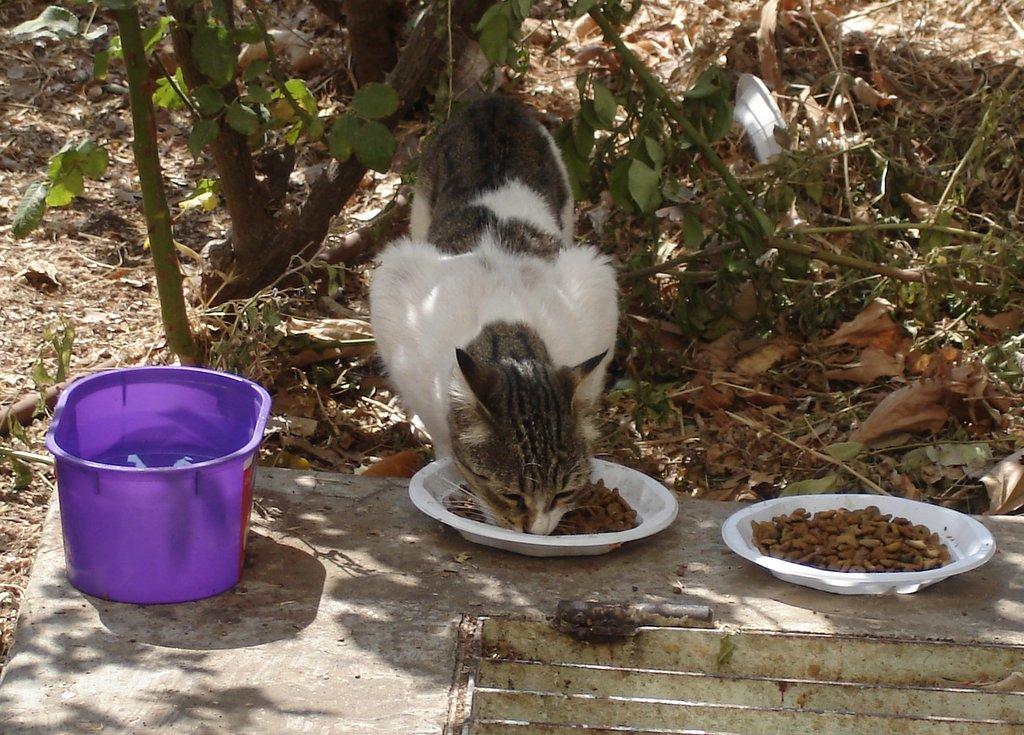
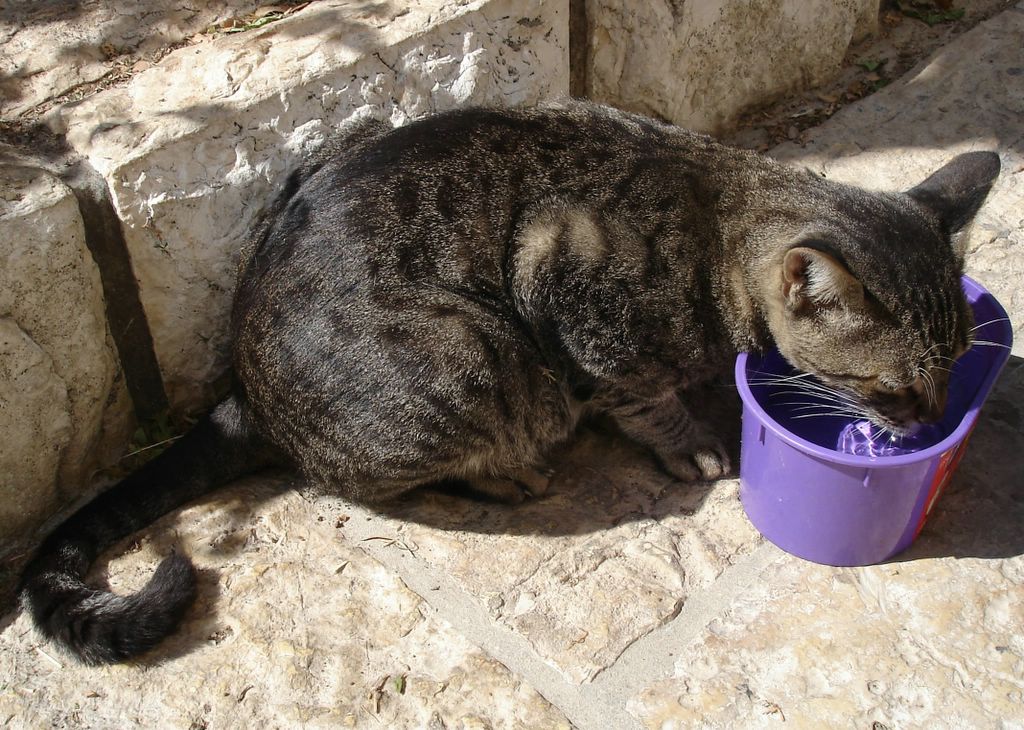
Thursday, December 01, 2005

Around and About

Here are some pictures I took today.

Despite the fact that today’s Gregorian date is December 1, it felt like summer here. Yet we have plenty of wild greenery in Jerusalem even during cold weather, provided that there is enough rain. Here is some kind of small grain plant that I’ve been seeing around for years but have never been able to identify:

Small grain plant

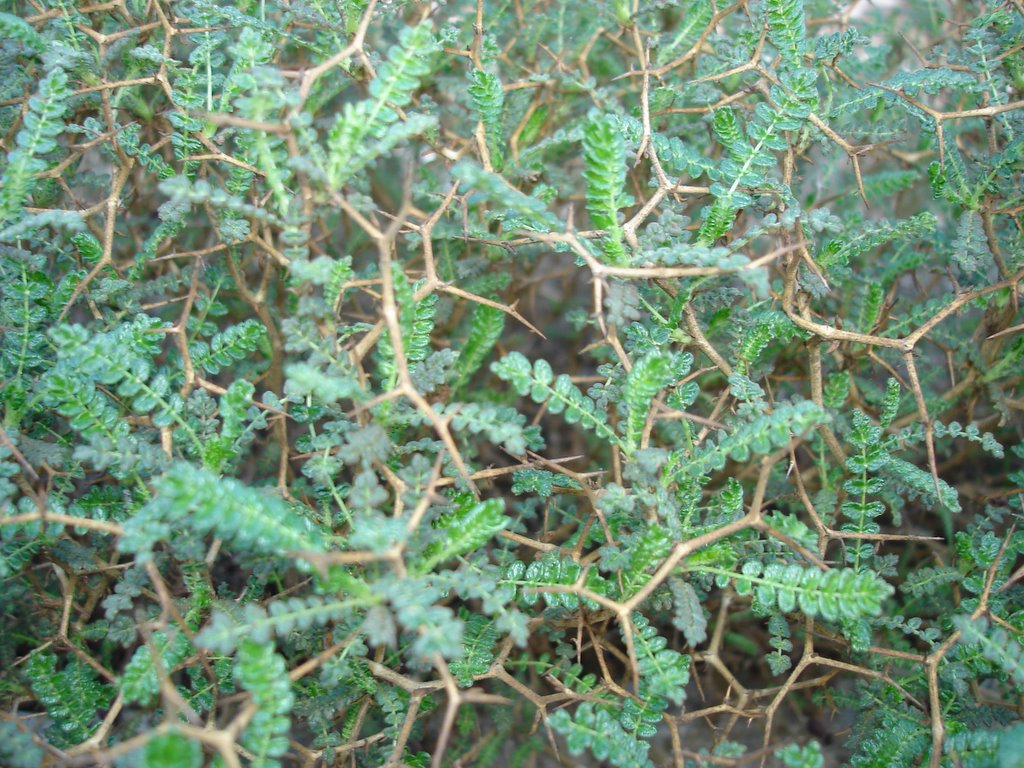
This is spiny burnet, a plant that grows throughout the Jerusalem hills. Every tour guide who has told me about this plant says that the army uses it to stuff mattresses. Spiny burnet plants have tiny red berries later in the season. Here are the leaves:

Spiney burnet

Moving indoors, this is a trend that seems to be catching on at local restaurants: a bowl-shaped sink that rests on top of the counter rather than being set into it:

Newfangled old-fashioned sink

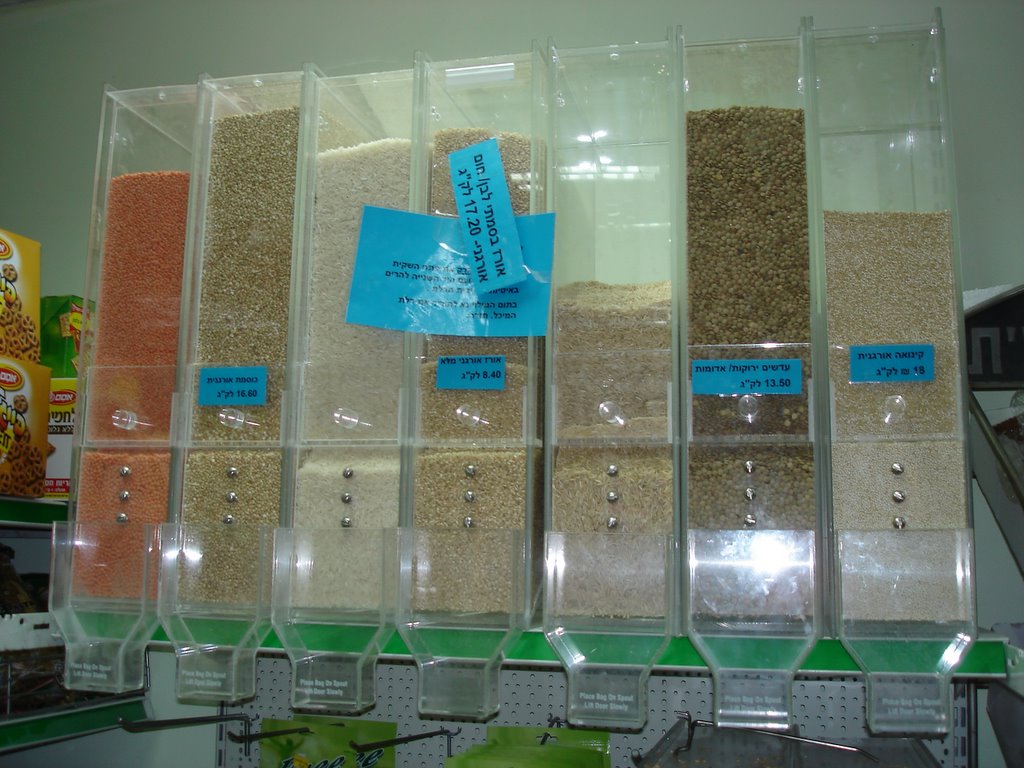
I took this picture at a local health-food store. Want some grains? Pull up a bag, lift the plastic door and let the abundance flow:

The grain-rain machine

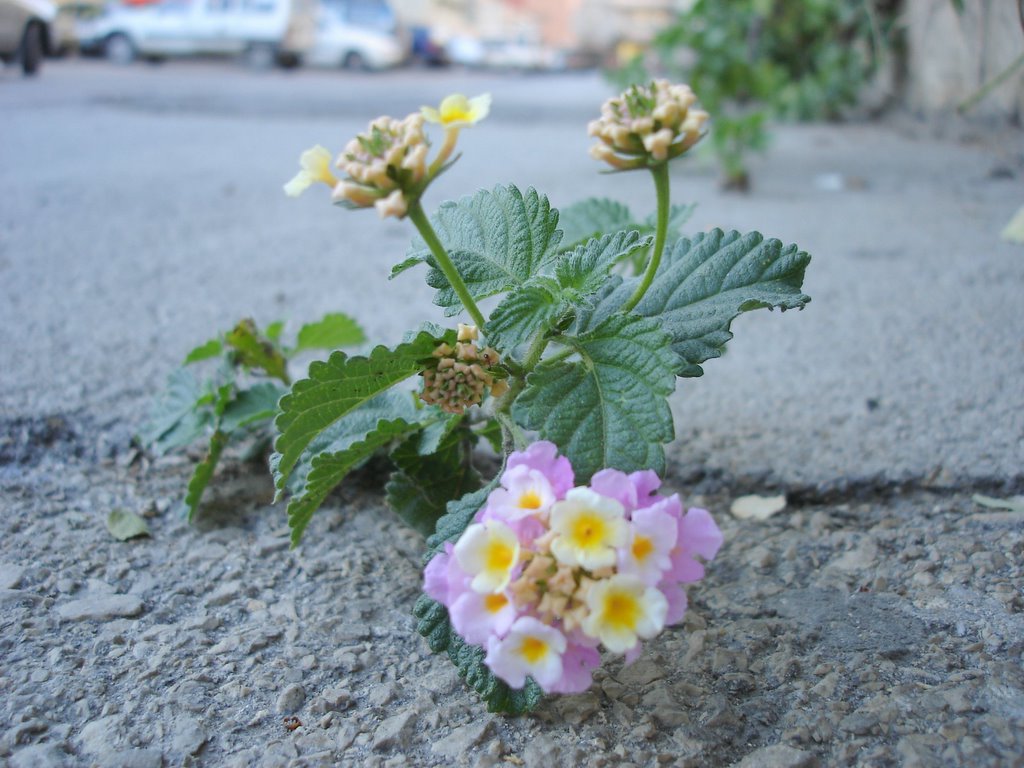
Finally, back outdoors where I found this lovely little plant—which is a garden or hedge plant here—growing in a crack in the sidewalk. I don’t know what this plant is, but I think it’s a member of the mint family. The leaves are a bit sticky to the touch and have a strong minty scent, and the flowers give way to rich, dark berries:

Plant growing in sidewalk crack

Wednesday, November 30, 2005

In Memoriam: Larry (Arie) Gamliel, 1950–2003

(“Arie” is pronounced “Aryeh.”)

Today is the second anniversary of the death of one of my dearest friends, Larry Gamliel.

I first met Larry toward the end of 1996 at an English-language song contest sponsored by the Association of Americans and Canadians in Israel. He was providing musical accompaniment for one contestant; I was singing for another. We met in the green room at the music conservatory in Be’er Sheva and hit it off right away. Soon afterwards, we began performing together at local folk events, and even discovered that we had friends in common.

But Larry was much more to me than a music partner. He was my big brother and one of the wisest people I ever met. He was the one I called when I needed a reality check, or just to vent. And sometimes he called me to vent, too. But he didn’t do that too often. Larry loved people and had a wonderful, if slightly warped, sense of humor, and laughter followed him wherever he went.

His knowledge of pop music was nothing less than encyclopedic. Sometimes I would quote a line, or even half a line, from a song I had once heard on the radio, and it turned out that he knew the song from beginning to end as well as its composer, year of release, original performer and subsequent covers. He could recite entire comedy routines from start to finish with all the appropriate inflections, intonations and accents. He was a pillar of Israel’s folk-music community, organizing events and appearing in most of them, usually behind his keyboard but sometimes with guitar. And the audience loved him.

Larry was modest. His twin brother had been an ambassador during the Clinton administration, but he never mentioned it. I only found it out after his death.

Larry was a good friend. When my late teacher, Yonina, was housebound for several weeks with a broken ankle some years ago, he got a group of musicians together to visit her one evening and play the folk music she loved.

Larry felt deeply. For several years he held an annual memorial concert for his late older brother, during which he could get pretty serious. But he also quoted his brother’s irreverent jokes and retorts, sometimes using them to snap me out of an occasional too-serious attitude.

Larry saw more than most people I know. That was pretty remarkable, since he was, for all practical purposes, blind from birth. But then, he was a pretty special guy who did extraordinary things.

Like the time he took me to Haifa to ride the subway for the first time. We rode a bus and a train, went on foot through part of Haifa and took the Carmelit subway, and through it all his guiding would have done an Israeli tour guide proud. He knew every landmark and every street, and he even knew the model of the train on which we were riding.

(Yes. In Haifa. Did I mention that Larry lived in Jerusalem?)

And he gave directions, too. I could swear that the man had maps in his head. Sometimes, when we walked outside together, people would stop us to ask for directions (as Larry pointed out, they always asked me because I am sighted; they automatically did not believe that a blind person would know how to reach a destination independently). I remained silent and let Larry do the talking, and later on regaled him with descriptions of how far the questioners’ jaws had dropped when he gave them flawless directions.

He traveled abroad with family and friends with full confidence that he could find his way anywhere. And he did. Here he describes one of his adventures:

Don’t talk to me about moving sidewalks! Part of my Heathrow adventure which I mentioned in a previous post was to use the moving sidewalk which went through a long tunnel to the underground station. The moving sidewalk was supposed to be bi-directional, which is to say two moving lanes running parallel to each other. Except that I could only find one of them. So I went against my better instincts and got on it. It was, of course, going in the wrong direction. Let me tell you, I got off of it quite quickly. <grin> In fact I did a dance step that would have done Chubby Checker proud. Fortunately, the tunnel was totally deserted and there was no one around to witness my mortification. I then did what I should have done in the first place, explore until I found the sidewalk going in the correct direction. As a post script, when I actually got to the train, I scared the wits out of an otherwise nice policeman who was sure that if I went down the escalator by myself a nuclear war would ensue. I went down it anyway, being very grateful that he hadn’t been at the start of the slidewalk.

Larry was a Bible scholar who could quote whole sections of the Bible by heart and debate their meaning like a seasoned clergyman. I loved it when he quoted the first half of Proverbs 27:2 in Hebrew: “Let the mouth of another praise you, not yours,” together with a clever lesson for life, arrived at by changing one vowel: “Let the mouth of another praise you, and if not—then yours!” (It sounds much better in Hebrew.)

There were parts of Larry’s life that I never knew about until after he died. For example, he was deeply involved in the National Federation of the Blind and was a staunch champion of accessibility, and also of independence. He believed that blind people could do anything that sighted people could do (with very few exceptions, such as driving), and he set out to show that by personal example. He could go anywhere by himself, was adept at using computers and often helped his sighted friends, including myself, when we were plagued with computer glitches. (I always thought it was a bit uncanny how he knew exactly what was supposed to pop up on the screen at a given time during an installation. “Does your screen say this, or this?” he would ask, and then follow up with perfect instructions on what to do next.) At the time he died, he was learning SQL in preparation for finding a new job after his retirement. I also remember how he coached my friends on how to make their websites accessible to people like himself who use voice programs in order to read Internet sites because they cannot see the screen.

I could go on for terabytes about Larry and how rare and special he was. But I will end with a bit of his writing that I found in the archives of an NFB mailing list shortly after he died. He had written it slightly more than a month before his death. To me it encapsulates his unfailingly positive and optimistic attitude toward life.

I must confess that I have mixed feelings about the question of what I “miss,” even though I am for all practical purposes blind from birth. I think each of us would rather be able to do various things without the need to rely on alternative techniques. I’d love to play baseball. I’d love to use a computer the way everyone with sight does.
On the other hand, if I were monetarily more well off than I am, I could do lots of things I cannot do. If I were as handsome as [name deleted] I could have been a movie star. <smirk> There are many things which my being who and what I am limits me. What can I do about this? Shall I live my life forever bemoaning what I am not and can never be? Shall I curse my parents for bringing me into the world? My cousin is the mother of a child with cerebral palsy who is now an embittered adult. His mother once cried on my shoulder, relating how his favorite remonstration is that he would rather haven’t been born, but since she was responsible for his life she was responsible for his care and upkeep also.
I am blind, and there are things I will not be able to do as well as sighted people, perhaps not at all. But I will never, ever, adopt his approach. Never!!!

I miss Larry.

Tiger Tzitzit

Tzitzit, the ritual fringes attached to the corners of a four-cornered garment, are worn by religious Jews beginning at three years of age. (The sources of the commandment to wear tzitzit are Numbers 15:38 and Deuteronomy 22:12.) In the past, tzitzit were worn mostly by men, though we know of a number of women who wore them at various times during Jewish history. These women were usually the relatives of recognized religious leaders and sometimes functioned as religious leaders themselves. (One exception to this general rule was Hannah Rachel Werbermacher, the Maiden of Ludomir [c. 1815–1892], who wore tzitzit and tefillin [phylacteries] and functioned as a hassidic rebbe even though she was not related to a prominent religious leader.)
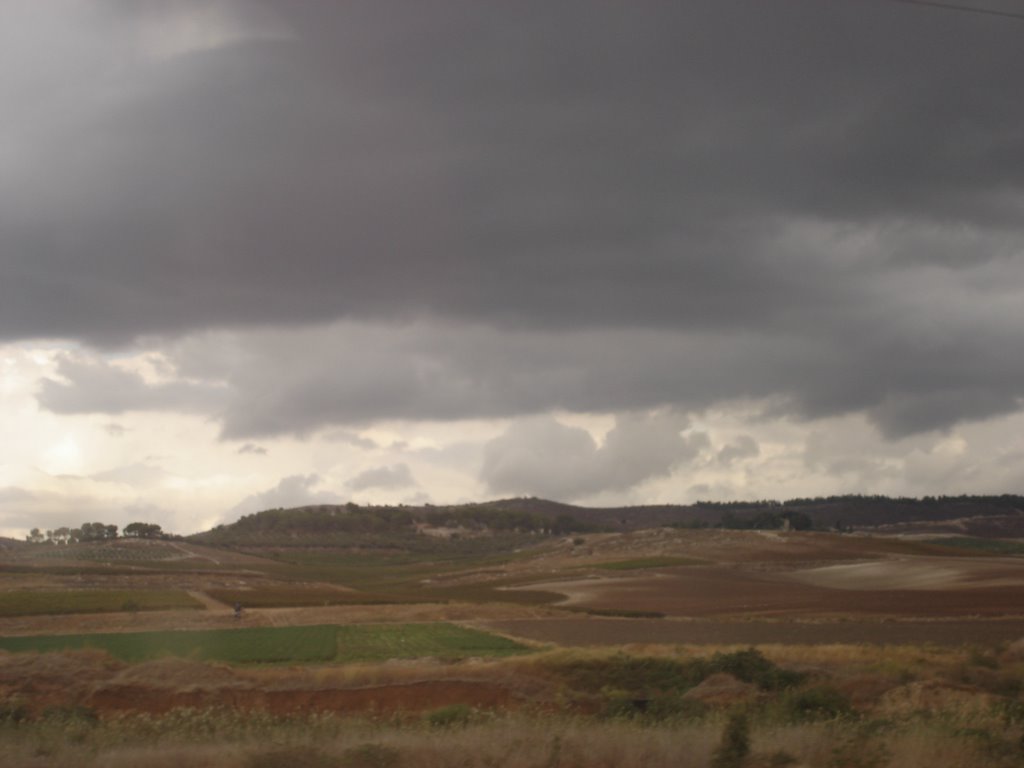
A major reason that so few Jewish women wore tzitzit until recently is that Jewish law exempts women from observing most commandments that must be performed at a specific time. Since the commandment to wear tzitzit falls into this category—they must be worn during the day—women are considered exempt from the duty to wear them. However, women may wear tzitzit if they wish, and now that high-level Jewish learning is open to women as it never was before, more and more religiously observant women are deciding to wear them as an expression of their commitment, and more and more young girls have begun to do so as well.

(I think it is fair to mention here that some streams within Orthodox Judaism still maintain that exemption equals prohibition where women are concerned, and oppose the idea of women wearing tzitzit or performing religious acts that for many generations were considered the exclusive province of men.)

Women who want to wear tzitzit have something else to consider. According to Jewish law, men may not wear clothing intended for women and vice versa (Deuteronomy 22:5). Therefore, some contemporary religious authorities state that if a woman or girl wishes to wear tzitzit, the garment to which they are attached should not resemble the style currently being used by men. (This, incidentally, was the suggestion made by Rabbi Yehuda Herzl Henkin to my women’s prayer group, Shirat Sara: that a woman who wishes to wear a tallit [prayer shawl] during our services should wear one that appears “distinct from the current style of men’s tallitot.”)

So where is all this background information leading? To this: when a friend of mine asked me to sew tzitzit for her small daughter some time ago, I happily obliged. Her daughter chose some material from a fabric store, I got out the sewing machine, and this is what resulted:

Tiger tzitzit

Tiger tzitzit. I like the sound of that.

(And yes, the fact that the fabric featured felines made the job all that much more fun.)

UPDATE: If you have come here from another site, please see this post.

Tuesday, November 29, 2005

Shas’s Campaign Slogan (or, Whose Side Are You On?)

Seen on a bus several days ago: the Shas political party’s campaign slogan for the approaching elections.

The slogan, which is taken from Exodus 32:26, translates to: “Whoever is for the Lord, come here!” This was Moses’s rallying cry to the Levites after the sin of the Golden Calf, after which the Levites swept through the Israelite camp, summarily executing all those who had worshipped the idol.

I’m sure that the party’s intentions are harmless and that their use of the Biblical verse is no more than an authoritative, resonant restating of “Whoever is on God’s side, vote Shas.” Just the same, I have to admit that I find their use of this particular phrase a bit jarring. Their constituents know Hebrew and I assume they know their Bible. Didn’t they consider the context?

And that’s without even mentioning how I feel about political parties claiming that they have a direct line to God.

(By the way, here is an excellent roundup of Israel’s major political parties and their respective platforms.)

Monday, November 28, 2005

A Clean Post

Yup, very clean indeed. I just finished a course in soapmaking.

The course, which was absolutely fascinating, consisted of three two-hour sessions. The first was devoted to proper safety procedures, since a main ingredient of soap, sodium (or potassium) hydroxide, is an extremely corrosive and dangerous chemical and it’s vital that we learn how to work with it correctly. Each of the second two meetings was devoted to a different method of making soap.
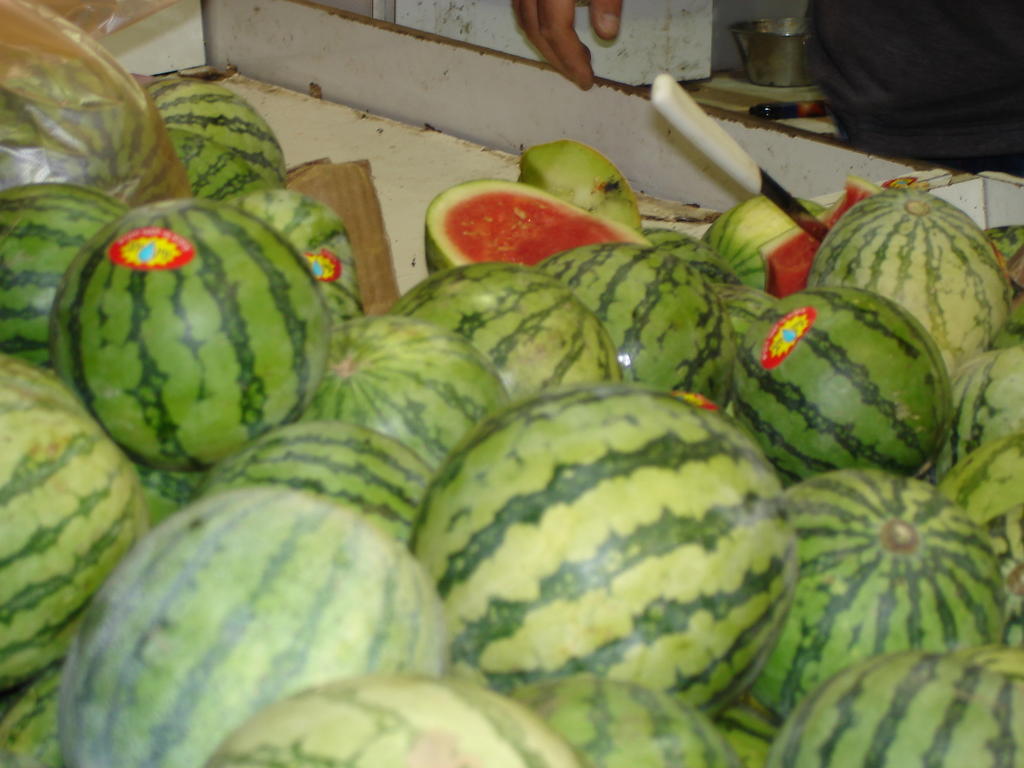

Our teacher was a chemist originally from Yugoslavia whose grandmother made her own soap. She told us that since there was little to be had in post-war Yugoslavia, if people wanted anything, they had to learn to make it themselves.

One of the things we learned is that homemade soap is better for the skin than most storebought soap. One reason for this is that glycerin, a moisturizer that occurs naturally during the soapmaking process, is extracted from factory-made soaps (and then added to creams and lotions). Another reason is perfectly logical: when you make your own soap, you know exactly what you’re getting, and you can also personalize your recipe to make the soap that is best for your skin.

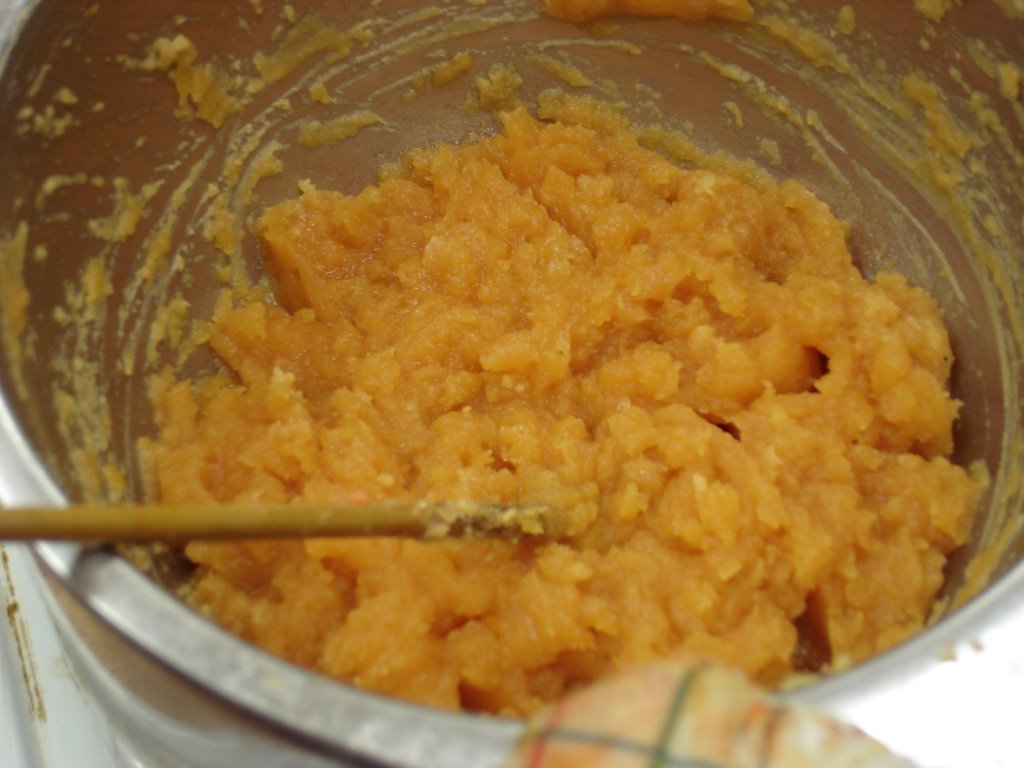
Here are some pictures from our last session, when we made soap using the hot-process method. In this first picture, the lye water has just been added to the oil mixture, and tiny bits of soap have begun to form. (The orange color comes from food coloring that was added shortly after the ingredients were combined.)

Soapmaking: the beginning of the process

Nearly two hours later, the saponification process is almost complete:

Soapmaking: toward the end of the process

Just before taking the soap out of the bowl and putting it into plastic containers to cool:

Soapmaking: nearly done

If you’re a local and would like to learn how to make your own soap, have I got a teacher for you!

Jerusalem’s Urban Nature Reserve

Last Friday morning I went on a hike of Jerusalem’s Gazelle Valley, a beleaguered bit of green in the midst of the city. Our guide, Tzahi, was excellent. Here is how the American Society for the Protection of Nature in Israel describes it:

Gazelle Valley—Gazelles trapped by roads from all sides have made a home in a 25-acre valley in Southern Jerusalem. SPNI Jerusalem and nearby residents are working to preserve the site for the animals and build a nature and education center for all city residents to enjoy. Development plans for this tract have been defeated in recent years, but continued pressure to build on this unique habitat exists.

Looking across the valley to the busy street on the other side:

This is an enlargement of the image above. See the gazelle? (Look just to the right of center.) We had to use a telescope in order to see the herd properly, and I barely managed to capture them with my camera.

Evidence of their presence: tracks! (I saw plenty of another kind of evidence but in the interests of public decency, I didn’t photograph it.)

Deer tracks in the Gazelle Valley in Jerusalem

Finally, the residents of this community were busily preparing for the winter:

Ants bringing seeds into their nest for the winter

Autumn Flower

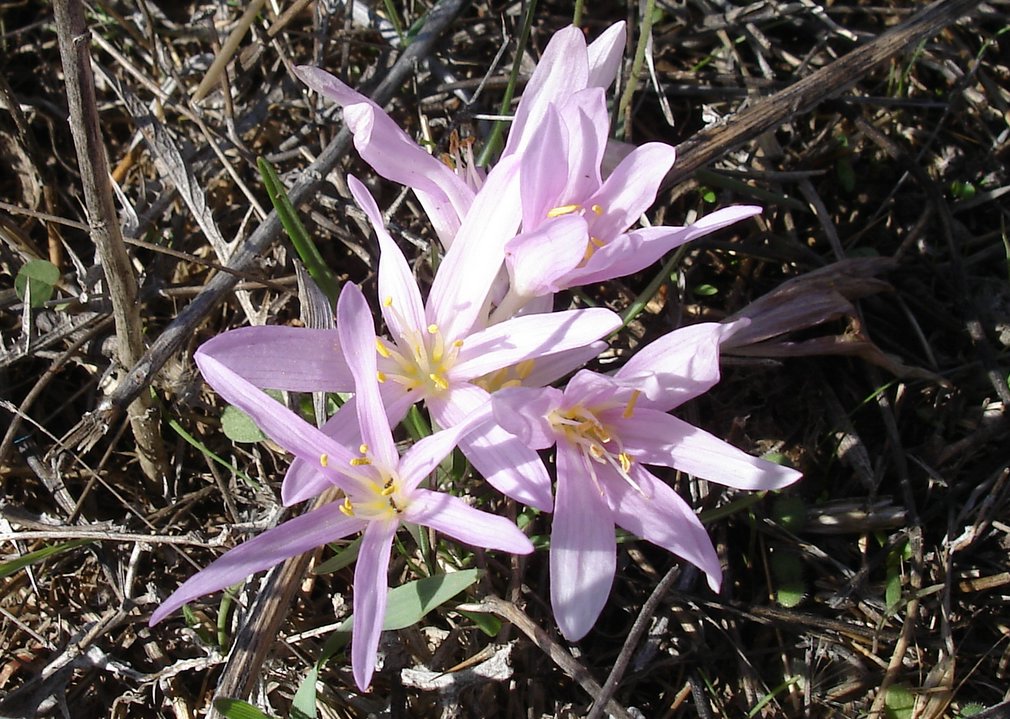
Here is a sitvanit (autumn crocus) that I saw during a hike in the Gazelle Valley, an urban nature preserve in Jerusalem.

Autumn crocus in Jerusalem

Third Time’s the Charm (Not)

I tried three times this evening to upload some kitty movies to YouTube for this week’s Carnival of the Cats, but for some reason didn’t succeed. So in honor of my three attempts, I’m posting three cat pictures for the Carnival, which is at IMAO this week and is hosted by the King of Catbloggers himself, Laurence Simon.

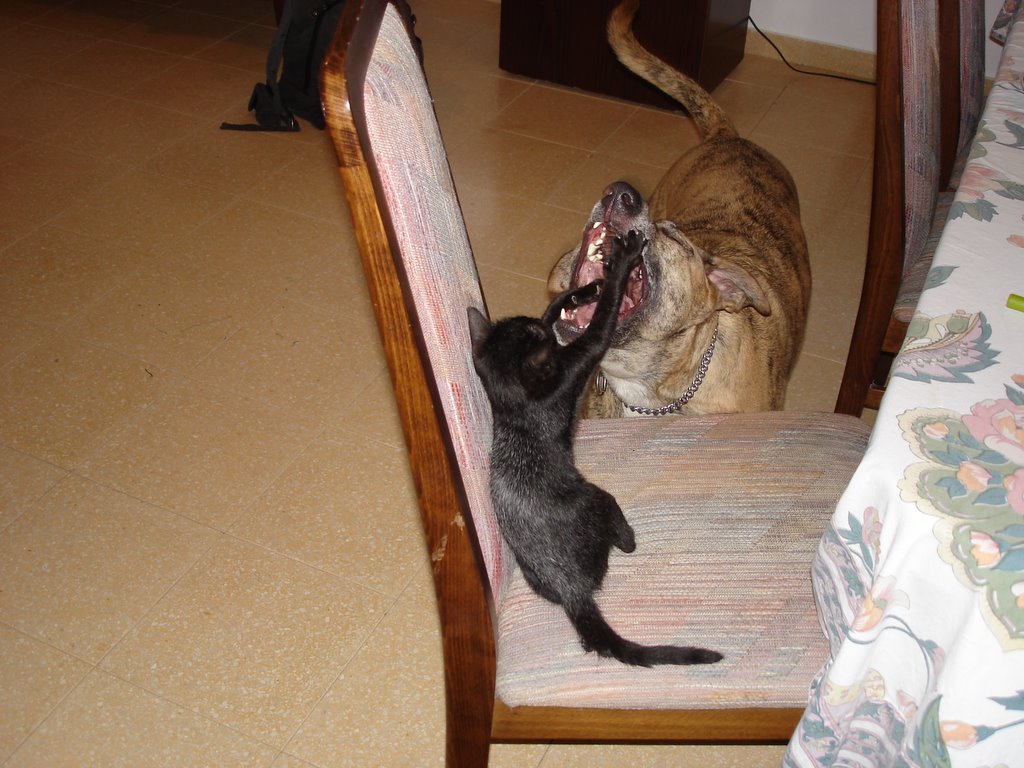
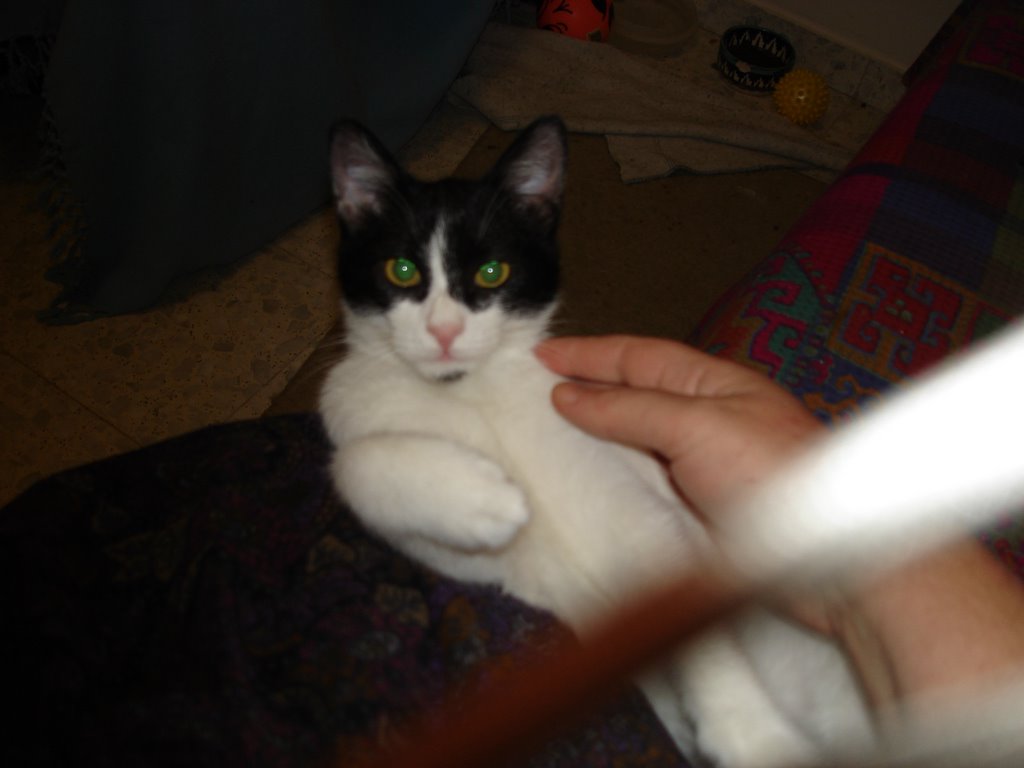
First, here’s Teeny, my friend’s new kitten, a rescue from downtown Jerusalem, getting the upper hand over her much larger and more powerful housemate, Abby. Despite her superior size and strength, Abby is extremely careful when she plays with Teeny. My friend says that when she comes home at night, she finds that all the furniture has been moved around during their all-day play sessions. Abby and Teeny love each other very much.

Teeny and Abby play together

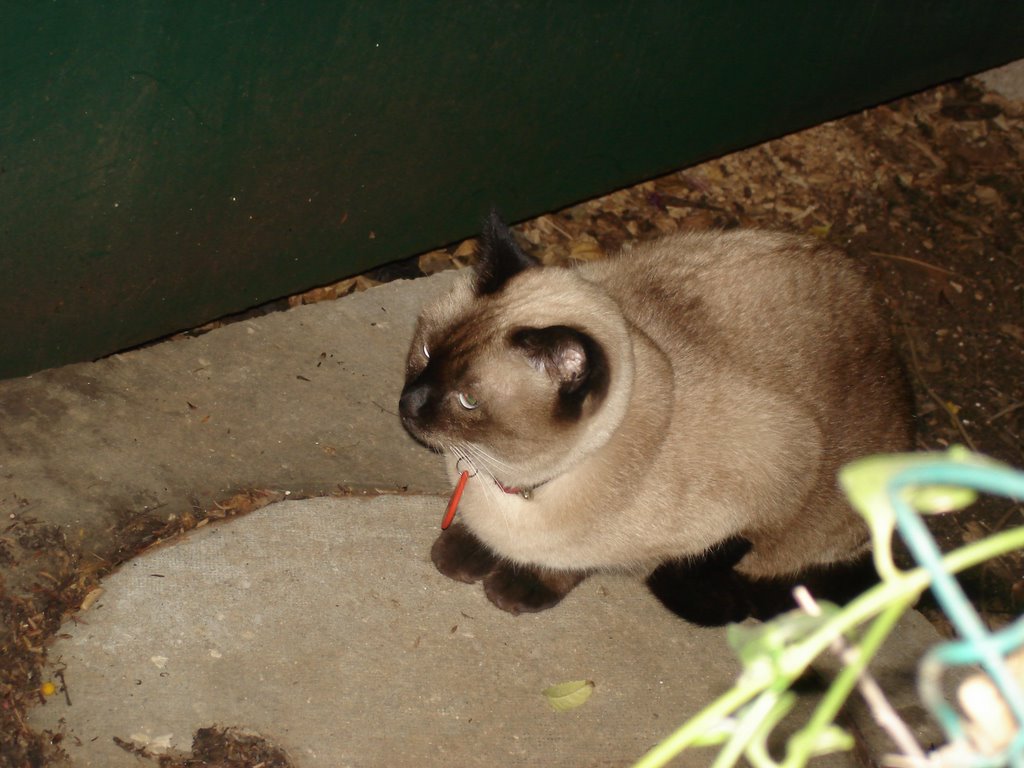
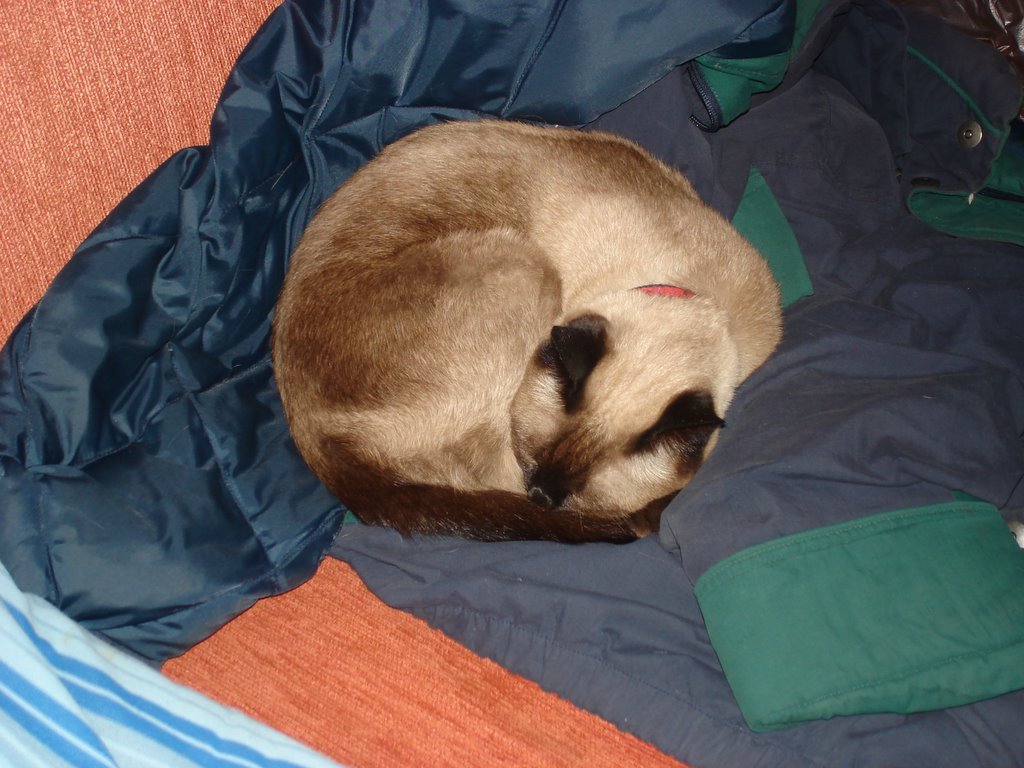
Next, here’s Missy in a brief lull between attacks on my coat.

Missy rests between attacks on my coat

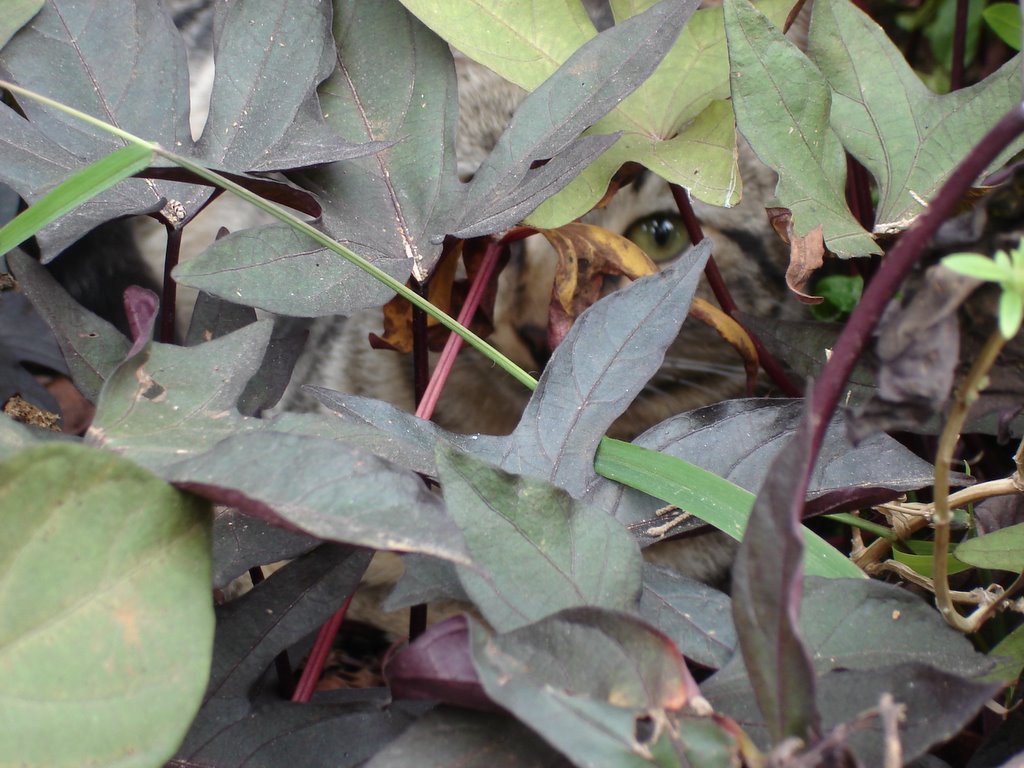
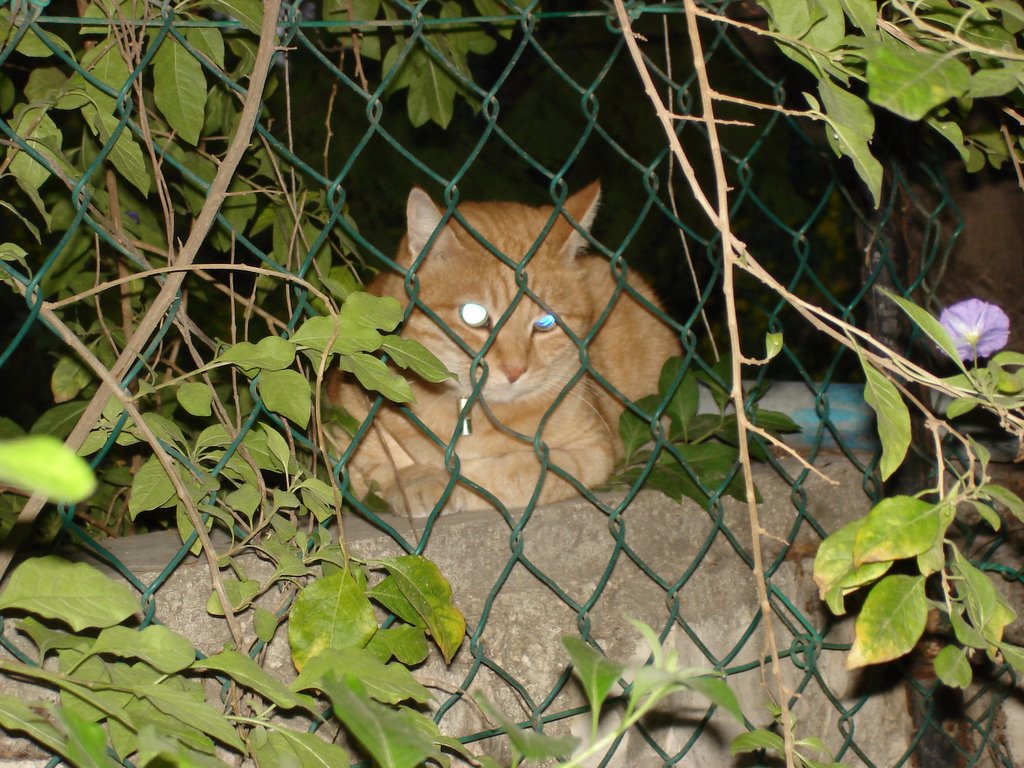
Finally, here is the Eye of Mitzi, looking out from the plants in the garden near the taxi stand at the Binyamina Railway Station. All the taxi drivers love Mitzi. She’s their cat.

Mitzi’s eye among the garden plants

Friday, November 18, 2005

Debunked

Well, actually, the book was debunked a long time ago, but I just found out about it yesterday.

Turns out that The Education of Little Tree is not autobiographical—it’s a hoax. It was written by Asa Earl Carter, who later reinvented himself as Bedford Forrest Carter and published the book—an excellent work of fiction, by the way—as the story of his childhood. Carter was actually a racist and is one of two speechwriters believed to have written the notorious “Segregation forever” speech for Alabama governor George Wallace.

Another myth shattered.

Sigh.

Thursday, November 17, 2005

Justice for a Jewish Woman

Reporter Michele Chabin of The Jewish Week has written about author Naomi Ragen’s efforts to help Rachel S., a religiously-observant mother from Jerusalem, who for the past ten years has been denied the right to see her children.

Ragen said she has championed Rachel’s battle “because I felt that as a woman living in the Land of Israel, I didn't want to live in a society where something like this can happen. In a country where a philandering husband and a wife abuser and a sexual pervert could manage to steal [number suppressed by court order] children away from their mother because she dared to leave him.”

Naomi Ragen comments in a message to her mailing list:

The husband’s lawyer, Mr. Schechter, always likes to say that the children are all grown up now. That the mother abandoned them. He forgets to mention the three-month-old and the three-year-old twins that haven’t seen their mother in ten years because of the brutality of the father and his “holy” allies who physically threatened the mother each time she attempted to contact her kids. That the children all claim no interest now in being together with their mother shouldn’t surprise anyone.

Rachel’s health has been deteriorating over the past several years due to stress and to her unhealthy living conditions. Naomi Ragen is raising money to help Rachel find a decent place to live and get on with her life. On-line donations can be made at All4Israel’s secure donations page. (Please be sure to write “For Rachel S. of Me’ah She’arim” in the comment box.)

Wednesday, November 16, 2005

The Blessed Railway Line

Neat news for local railway buffs: two historians have found a rare section of Ottoman-era railroad tracks engraved with the Sultan’s blessing.

For the past two years, historians Yehuda Levanoni and Yaakov Shorer have been researching the Valley Railway. During the course of their work, they have witnessed how thieves have steadily depleted what is left of the antique tracks.
Levanoni and Shorer dreamed of finding an example of decorative railroad tracks, with the Ottoman Sultan's blessing molded onto them—very few of which were ever made.
Several months ago, while in the Negev, Levanoni came across railway tracks close to Kibbutz Mishmar ha-Negev, onto which a concrete structure had been erected. A closer inspection revealed that he had finally found what he had been looking for. [...]
While the exact reason for the decorative tracks is not known, Levanoni and other researchers believe that they were laid to mark the end of a section of the track, ahead of the inauguration ceremony. The blessing is in the name of Sultan Abdul Hamid II, who initiated the ambitious Hijaz Railway project. The blessing reads, “Be strong with the blessing of our master, the Amir of faithful, Sultan Abdul Hamid II! And (Allah will) support him!” The inscription was translated by Yitzhak Abadi.

And In This Corner ...

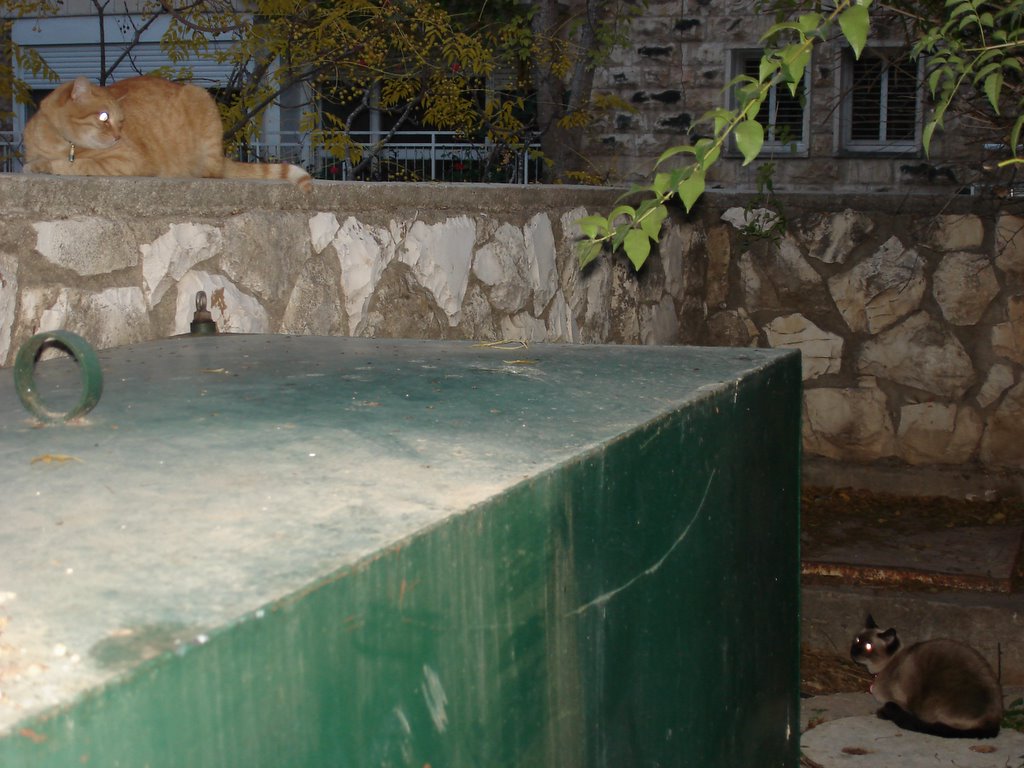
Her Ladyship, peeved and aggrieved over the incursion into her territory ...

Her Ladyship defends her territory

The imperturbable Mr. Neighborcat ...

Mr. Neighborcat

Here they are together (well, not exactly):

Her Ladyship glowers and howls at Mr. Neighborcat

It reminds me of the parody version of the folk classic, “This Land Is Your Land.” Only Her Ladyship’s outraged howls don’t sound nearly as good.

Check out the Friday Ark at The Modulator and, on Sunday, the Carnival of the Cats, which will be at Scribblings.

Sunday, November 13, 2005

Signs

Here are two signs I saw downtown recently.

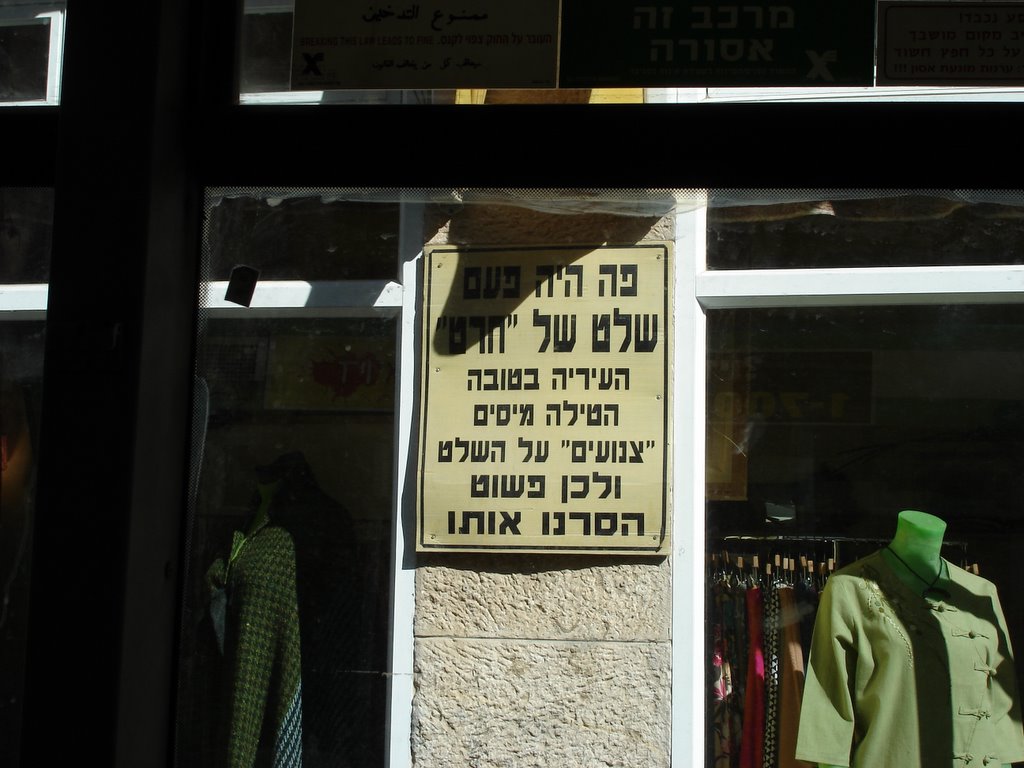
I photographed this one from the bus, praying all the while that the light would stay red for just a few seconds more. Luckily for me, it did.

Sign protesting taxes

Translation: “The sign for Harat [the name of the establishment] used to be here. The municipality, out of the goodness of its heart, imposed a ‘modest’ tax on the sign, so we simply took it down.”

Now for this one, which I saw on a sidestreet near the open-air market:

Retro sign

Translation: “British out! Down with the White Paper!”

(Pretty retro, I’d say. This is the same type of sign as the ones that tell us that on Passover we should buy elephants, and that in February we should carve soap. Well, it did make an ordinary shopping trip more interesting.)

Saturday, November 12, 2005

Introducing: Missy

This is my neighbor’s new kitten, Her Ladyship’s housemate. On this blog, I’ll call her Missy.

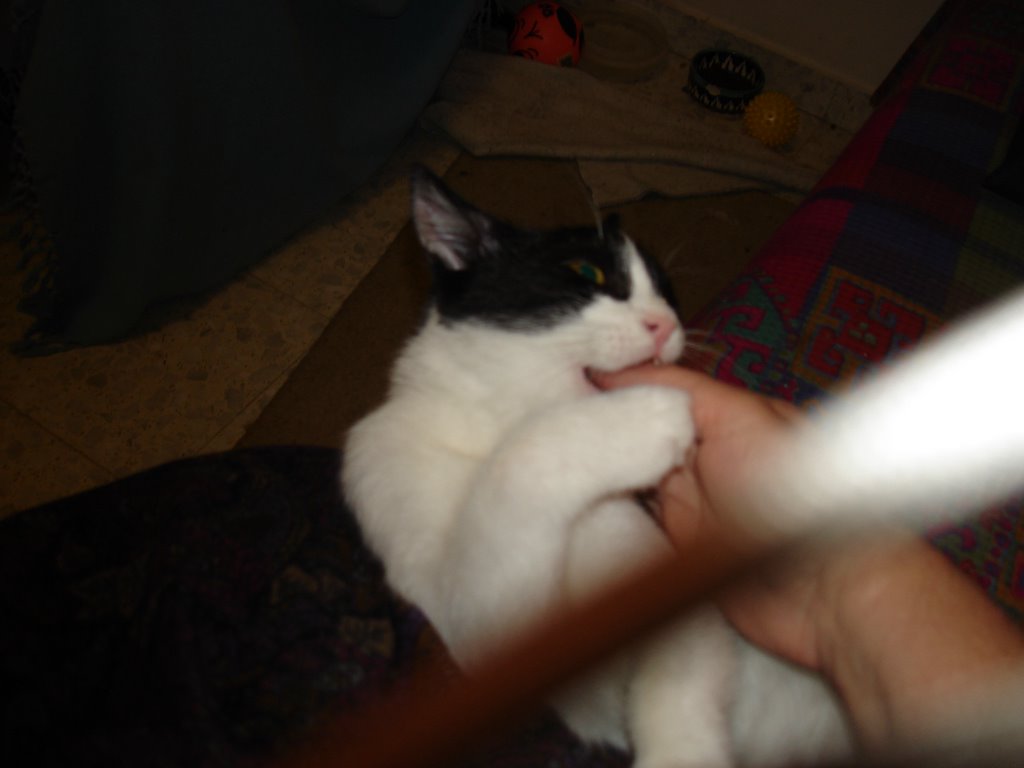
Here she is making my acquaintance. I wonder whether she thinks I’m tasty enough.

Missy makes my acquaintance

“Hey! Who are you looking at?”

Missy looks at the camera

Meanwhile, Her Ladyship studiously ignores us and takes a snooze on my coat.

May I have my coat back, please, Your Ladyship?

Her Ladyship asleep on my coat

When I’m good and ready. Maybe.

I took some movies of Missy tonight. All of them have her strong purr as the soundtrack. Here they are:

Missy and Me I

Missy and Me II

Missy and Me III

Missy and Me IV

(Check out this week’s Friday Ark at The Modulator, and the upcoming Carnival of the Cats at Curiouser and Curiouser.)

Monday, November 07, 2005

Art from Another Time

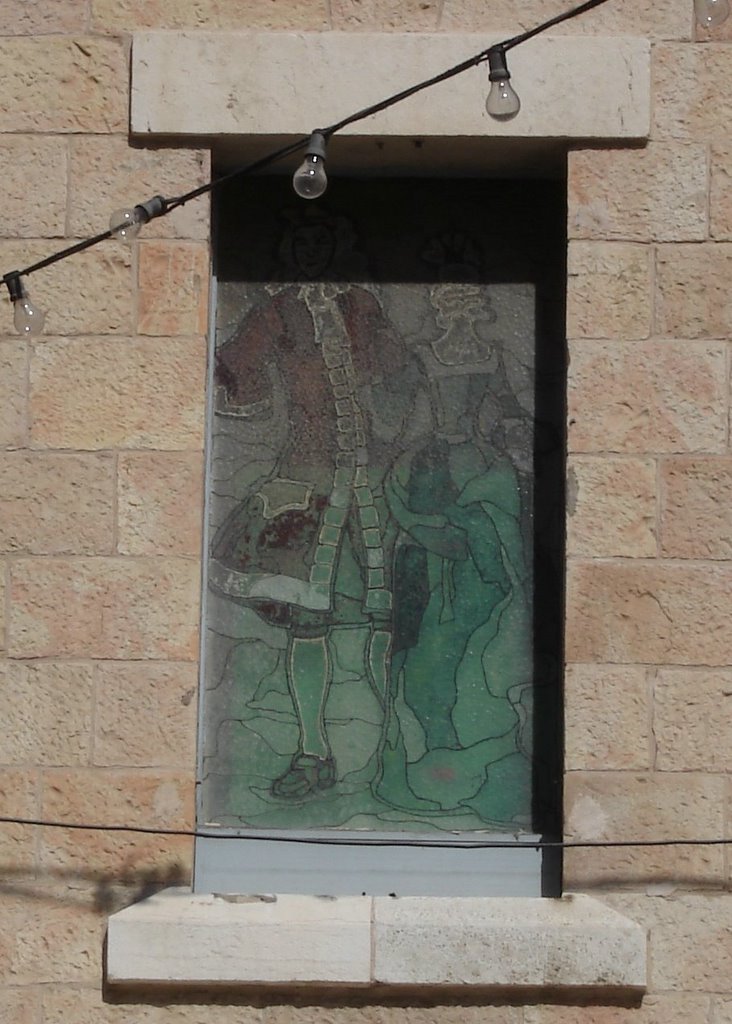
These painted windows are located in downtown Jerusalem on Jaffa Street, across from Zion Square. Does anyone out there know who painted them, when and why?

(I apologize for the shadow cutting off the top of the pictures.)

Good Things Come in Threes

This week’s Carnival of the Cats is up at Pages Turned—in three parts!

Part One

Part Two

Part Three

All that warm, furry kitty goodness ... just the thing for a chilly, rainy November day (in the Northern Hemisphere, that is).

Thursday, November 03, 2005

Kitten at the Feeding Station

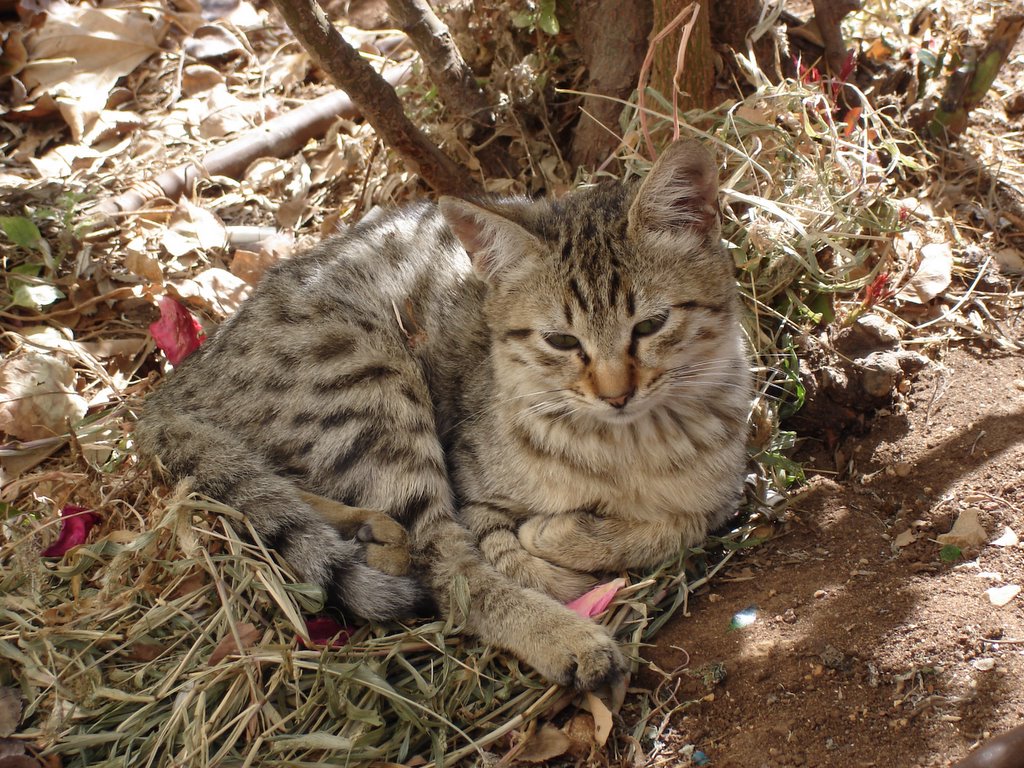
A kitten lounges calmly at our feeding station at work:

Kitten resting at feeding station

Catch the Friday Ark tomorrow at The Modulator and Sunday’s Carnival of the Cats at Pages Turned.

Bees on Basil Bush

There is a lovely little garden at the entrance to the Binyamina railway station. One of the basil plants there has really taken off. I caught some photos of local bees working the blossoms:

Bee and basil blossom

Another bee, another basil blossom

Cause and Effect

Lately I’ve noticed something new on city buses and taxi vans: flat-screen monitors with rotating news updates. I guess that just proves the old saying that we Israelis can’t go too long without our news fix.

Recently I rode in a taxi van in the south. The van had a news screen, and I decided to see whether I would be able to photograph it. Turns out I was successful, but the really interesting item I discovered was the proximity between the following two headlines.

The screen below reads: “Palestinian Minister of the Interior: Organizations agreed to stop Kassam rocket fire”

(The word “organizations” in the headline refers to terrorist groups such as Hamas and Islamic Jihad.)

News screen in taxi van

Here is the next screen in the rotation: “Anti-anxiety workshops in bomb shelters: [Moshav] Netiv ha-Asara tries to cope with Kassam rockets and sonic booms by holding workshops in bomb shelters”

News screen in taxi van

I can’t help asking: if there really is an agreement to stop the Kassam rocket fire, then why should the residents of Netiv ha-Asara need these workshops?

(Just in case you were wondering, that’s a rhetorical question.)

Tuesday, November 01, 2005

A Play of Light and Shadow

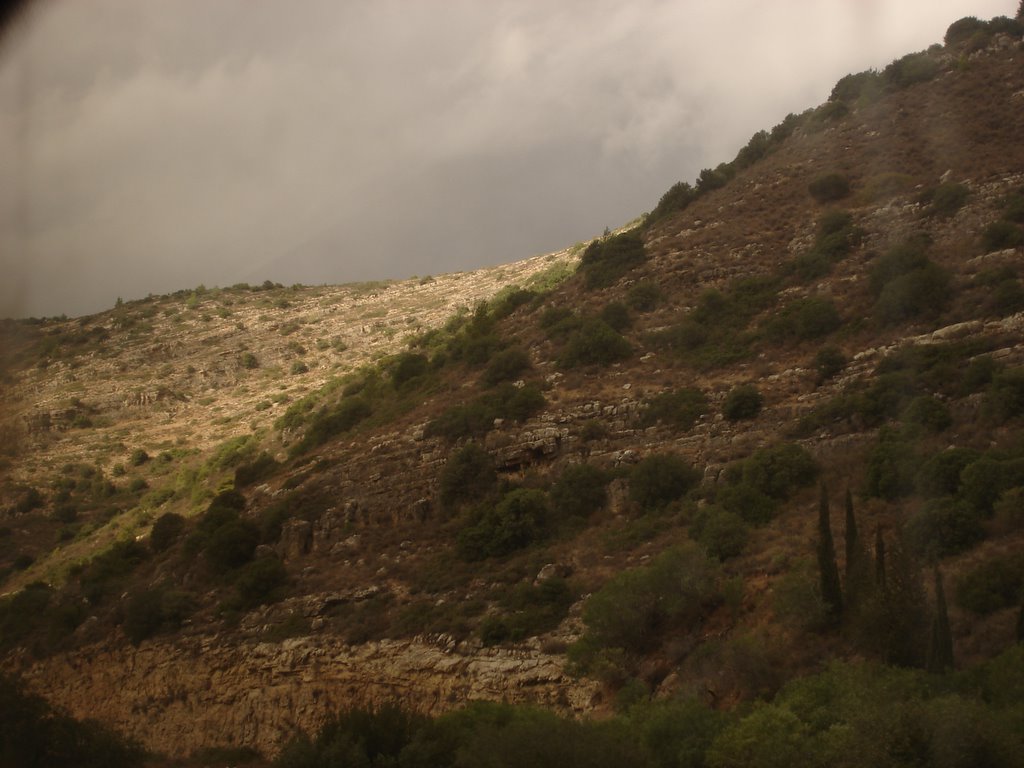
I took these photos while traveling on the train on a cloudy, rainy day earlier this week. Here, the train leaves the Jerusalem hills under overcast skies:

Overcast Jerusalem hills

The entrance to Bet Shemesh under heavy clouds. I particularly like the railway traffic light that “jumped into” my photograph as I took it from the moving train.

Clouds over entrance to Bet Shemesh

Later in the journey, the coastal plain under the clouds as they start to dissipate:

Coastal plain under cloud cover

Friday, October 28, 2005

Meryl Yourish Needs a Job

... and fast. Spread the word and let’s help her find one.

Yeah, What He Said

Lair Simon pegs it:

Folks, I have one word of advice: be yourself. If you look in the mirror and don’t see yourself, fix that.
If enough people are themselves, maybe those who are most uncomfortable with you as yourself will finally have the courage to stop displacing their discomfort with who they really are upon you.

Wise words in any context.

They bring back a memory from a long time ago, too. I grew up in a town where being yourself beyond a certain age (like, say, twelve) was regarded as quite the silly thing to do.

An illustration: during one class in middle school, we were supposed to introduce ourselves by telling our names and mentioning two things that we liked to do. One girl mentioned activities that seemed perfectly appropriate but that somehow earned her a storm of mocking remarks. At the end of the class, I heard one of the more popular girls lecture her: “How could you be so stupid as to say you like the activities you mentioned? I said I like to swim and ski, but do you think I actually enjoy them? I don’t—I only named them because I knew that would be a popular answer.”

I always wondered how she figured that out so young. I wonder whether she still thinks the same way today.

The Perfect Excuse: Backpack Attack

Ummm, Teacher ... I didn’t bring in my homework today because Pinocchio—she’s the picture framer’s cat at the local shopping center—attacked my backpack.

I know that sounds strange but here, Teacher, I’ll show you:

(See more kitty movies here, here and here.)

A tip of the Mediterranean sunhat to Avram of New Cat City, who turned me on to YouTube (pun intended). Go pay a visit to his beautiful orangeboys, Arthur and Beowulf, and give them some virtual skritches from me while you’re at it.

And be sure to check out today’s Friday Ark at the Modulator. This week’s Carnival of the Cats will be up at Watermark this coming Sunday.

Thursday, October 27, 2005

Something New

Well, new to me, anyway: personal-size watermelons at the open-air vegetable market. The vendor was giving out free tastes, too, but I didn’t take one. Maybe tomorrow, after work.

Personal-size watermelons at the open-air vegetable market in downtown Jerusalem

A Visit to the Big Apple

One of my favorite pizza places in Jerusalem is Big Apple Pizza. It’s a franchise, and Jerusalem has three stores: two downtown and one in a new shopping center near where I work. Tel Aviv and Eilat have one franchise each, too, but I haven’t sampled them yet.

Each franchise in Jerusalem has memorabilia from New York City and from the rest of the US. One of the downtown stores even has a mural of the New York City skyline.

Of course, my favorite part of Big Apple Pizza is the pizza. It’s delicious, and I highly recommend it. While I’m at it, there’s something else about Big Apple that I like: the music.

Each franchise of Big Apple pizza plays the sort of music I grew up with. One branch even has tapes of radio broadcasts from popular rock-music radio stations in the greater New York area. (Imagine sitting in downtown Jerusalem and hearing what’s being played on Long Island—without benefit of laptop!) The branch I walked into yesterday was playing “Black Dog” from Led Zeppelin IV. And yes, nostalgia sells ... even for one who wasn’t much into rock as a teenager.

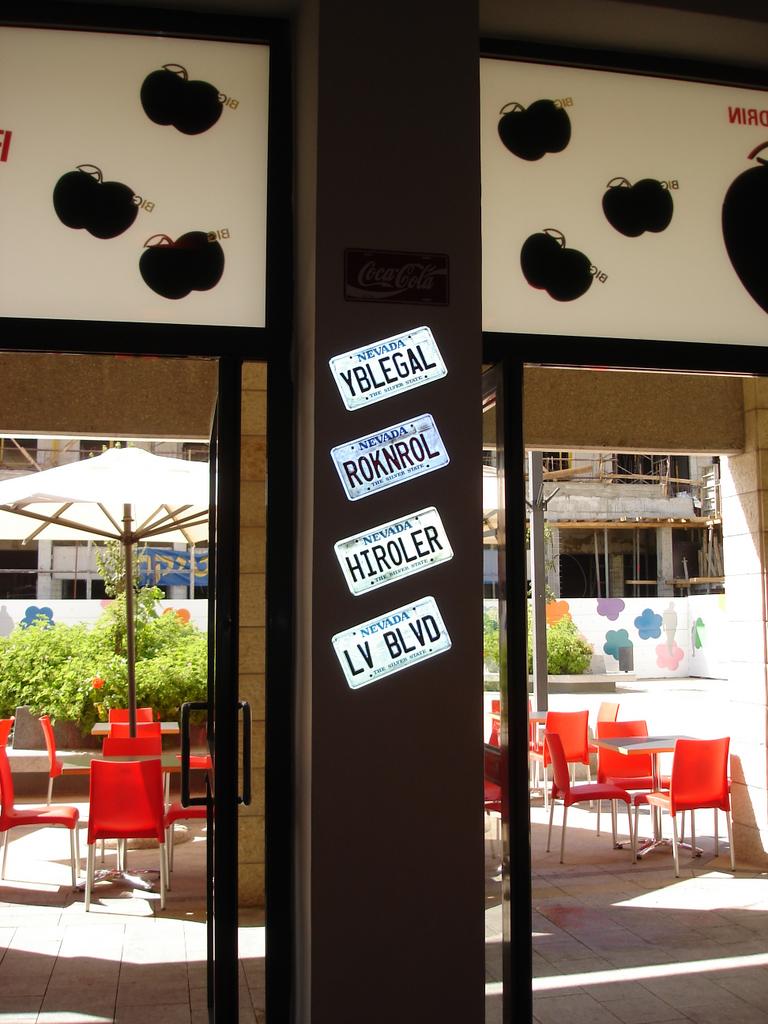
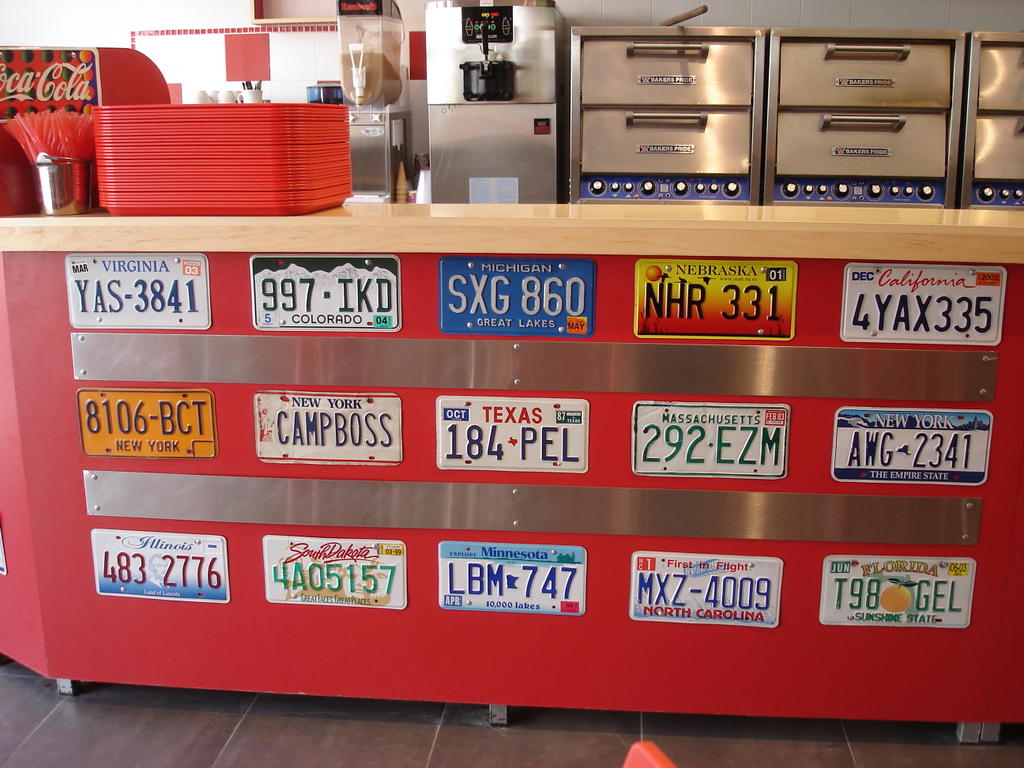
But besides the excellent pizza and the music from my youth, what really sold me on this new Big Apple Pizza franchise was its collection of license plates. The other Jerusalem franchises have collections, too, but this one takes the cake ... I mean, the pie. When I was a child traveling with my family, I used to enjoy looking out our car window and seeing license plates from different states, sometimes even from different countries. Now, you can get all the license plates you want from eBay. That’s what Roni, the franchise owner, did.

For anyone who is into license plates, here’s a bunch for your delectation. I’d include a slice of pizza, too, but I haven’t figured out how to upload one yet.

License plate display at Big Apple Pizza in Jerusalem

License plate display at Big Apple Pizza in Jerusalem

License plate display at Big Apple Pizza in Jerusalem

License plate display at Big Apple Pizza in Jerusalem

Tuesday, October 25, 2005

Want Some Passion in Your Life?

(Well, that title ought to get me some interesting traffic. Heh.)

In honor of the annual period in Israel known as aharei ha-hagim (after the holidays), here’s a passion flower ...

Passion flower

... and here’s the ripening fruit, next to a bud.

Passion fruit

I would have preferred a passion flower with a bee on it, but I didn’t have time to wait for one to show up. Oh, well.

Israel produces a fine liqueur from the fruit, by the way. Just in case you have a ... well, passion for that sort of thing.

(Oh, all right. I’ll stop now.)

Thursday, October 20, 2005

Bathing Beauty

It’s said that cleanliness is next to godliness.

Her Ladyship in the bath

And Her Ladyship should know. After all, her ancestors were once worshipped as gods about a day’s drive from here, give or take a few hours.

(Check out The Modulator for this week’s Friday Ark, and Mind of Mog on Sunday for the upcoming Carnival of the Cats.)

Wednesday, October 19, 2005

On a Rainy Autumn Morning in Jerusalem ...

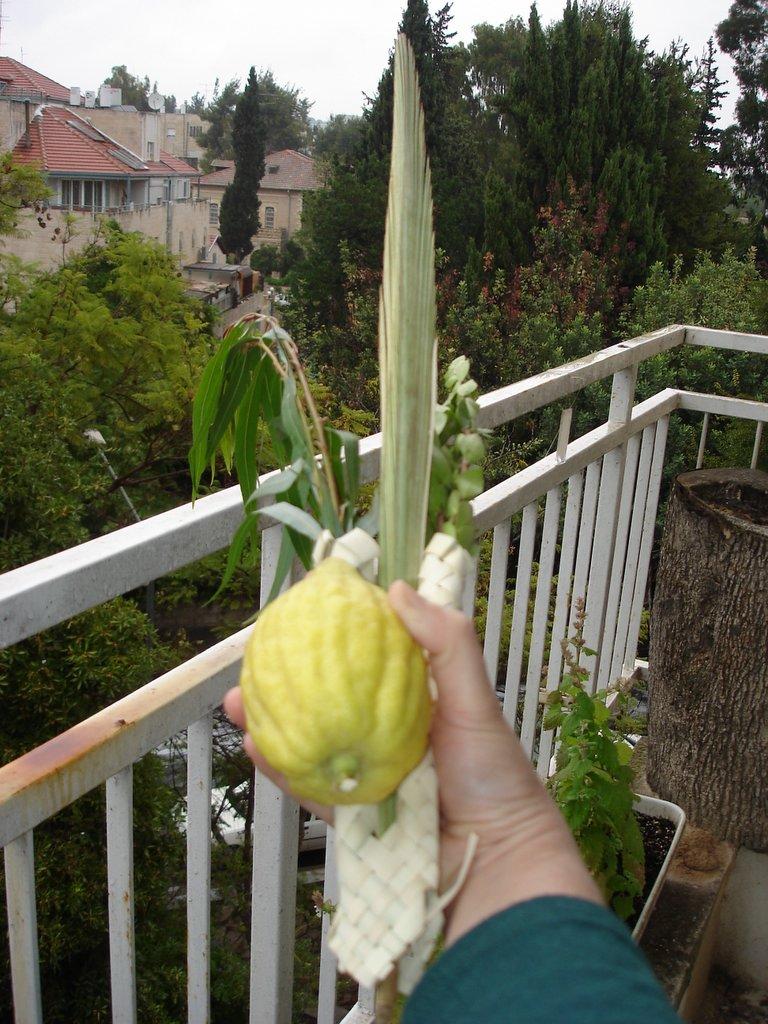
I took my arba minim (four species) outside and waved ’em in the requisite directions as a light rain fell around me.

Waving the Four Species on Sukkot in Jerusalem

(Actually, Jewish tradition doesn’t consider rain on Sukkot particularly favorable, but as someone who has been inside sukkot in upstate New York amid freezing rain and falling snow, I’m not complaining.)

Mo’adim le-simha!

Tuesday, October 18, 2005

Trees at the Train Station

Israel Railways is busy beautifying the Tel Aviv Central Railway Station:

Trees at the Tel Aviv Central Railway Station

It’s not exactly the Jerusalem–Bet Shemesh line, but it’ll do. And oh, check out the pattern made by the tape.

(New stations are due to open in Dimona and Modi’in sometime in 2006. The Modi’in stations will eventually become part of the rapid Jerusalem–Tel Aviv line due to begin operation in 2008 or 2009. The stations are noted on the new railway map that I saw on the train last week, but the new map isn’t up on the website yet.)

Friday, October 14, 2005

Feeding Time

Here’s our feeding station at work during a visit from Lady:

Lady at the feeding station

A kitten showed up while Lady was there. Here she is, waiting her turn patiently (or perhaps out of a healthy sense of self-preservation).

Kitten waits her turn

(For more animal goodness, check out this week’s Friday Ark at The Modulator, and for more kitty goodness, check out this week’s Carnival of the Cats, coming up on Sunday.)

Wednesday, October 12, 2005

A Passing Thought While Singing

Tonight I rode back to town with a friend of mine who is a professional singer. Unfortunately I was too tired to take full advantage of the opportunity to sing with her during the entire trip (she’s excellent and it’s tremendous fun), but we managed to sing a few songs together before I conked out from exhaustion in the back seat of her car.

One of the songs we sang was “Oh, Sinner Man,” a song I have loved since childhood. (If you ever get a chance, listen to Leon Bibb’s recording of it. It will blow you away.)

After we finished the song, I mentioned to my friend that its lyrics cause me a bit of dissonance, and I don’t mean musically. If I were to perform it in public, I could see myself giving a disclaimer first: This next song is a powerful one, and one of my favorites. But before I sing it, I want to make it clear that I don’t agree with the theology behind it at all.

Why is that? Well, the song takes place at the final judgement at the End of Days. A frightened soul turns to heaven and earth for refuge and finally appeals to God, who rejects him, saying, “Oh, sinner man, you shoulda been a-prayin’.” At the end of the song, the Devil gleefully ushers the poor soul into Hell with the words “Sinner man, step right in.”

I realize that the song reflects a particular time and place in history, and in its own way is a message to human beings to mend their ways before it’s too late. Yet what is “too late”? Is there really such a thing? My friend and I agreed that the message of “Oh, Sinner Man” is pretty much the opposite of the Jewish attitude toward our relationship to God. Jewish tradition teaches that every human being of every faith always has the chance to draw closer to the Creator. God never turns us away when we seek sincerely to amend our lives and connect with the Divine, no matter how badly we may have messed up in the past.

On Yom Kippur—and on every day of the year—God holds the door wide open for each and every one of us and says, “Step right in.”

Gemar hatima tova.

Friday, October 07, 2005

A Flower for Shabbat Shuvah

Here’s a flower for the first Shabbat of 5766.

A flower for Shabbat

Shabbat shalom.

Friday Catblogging

Hillel lives near a building downtown where there are lots of journalists. As you may imagine, it can get to be a pretty high-pressure environment at times. So how does a normally laid-back cat such as Hillel deal with the stress?

Hillel takes a drink

Well, as best he can, but sometimes it drives him to drink.

(Check out this week’s Friday Ark at The Modulator. This week’s Carnival of the Cats will be at Ginasrantings).

Thursday, October 06, 2005

Narrow Escape

Today, on my way to work, I passed the scene of what looked like a minor car accident. No people were there when I passed by; all I saw was the damaged vehicle, a white Volkswagen Golf.

It had apparently struck a wall at the side of the road. Its right front fender was heavily damaged and its right front tire was flat. The front doors were open and the passenger compartment looked undamaged, though two deflated airbags dangled from the steering wheel and the glove compartment, respectively. It looked like anyone who had been in the car might have been lucky enough to walk away from the crash, and I hope and pray that was the case.

The sight—which was scary enough by itself—brought back an awful memory of one of my most frightening experiences, which took place on this very day, according to the Hebrew calendar, more than a decade ago. I was crossing a narrow street in my neighborhood when a motorcycle came down the hill to my right. I was already in the middle of the street when I heard the approaching motor and I froze, not knowing in which direction to run and thinking: Well, I guess this is it. The rider swerved to avoid me, but the corner of the metal box at the rear of his motorcycle hit my upper arm and sent me flying. The rider also fell off his motorcycle but was only scratched, thank God. My arm was pretty bruised but other than that I was fine. Both of us were very lucky.

It was the day after Rosh ha-Shana, the day after we begin asking God to inscribe our names in the Book of Life.

But the really creepy thing was that the night before, Israel Radio had broadcast a program on road safety during which various announcers read out the names of all the people who had been killed on Israel’s roads the previous year.

In time, the municipality redesigned that pedestrian crossing. I guess I wasn’t the only pedestrian who’d had a problem there.

To return to the present, it looks like someone else may have had a narrow escape the day after the New Year.

On each of the ten days between Rosh ha-Shana and Yom Kippur—what Jews call the Days of Awe—we add the following supplication to our regular prayers, which we recite three times a day:

Remember us for life, O King who delights in life, and inscribe us in the Book of Life—for Your sake, O God of life.

Amen. May it be so.

Monday, October 03, 2005

Le-Shana Tova

Before I sign off for the holiday, I’d like to wish all my readers and all klal Yisrael a good, sweet New Year, filled with good health, prosperity, good news, good cheer and all possible blessings.

For those of my readers who aren’t Jewish ... have a wonderful year, too!

Saturday, October 01, 2005

Pssst ... Got a Good Pattern?

The cover of my old lambswool comforter is torn beyond repair. I have a bunch of cotton fabric scraps with floral patterns in dark blue, light blue, turquoise, peach, burgundy and white. And the Jerusalem nights are starting to get chilly. So I've decided: it’s time I learned quilting.

Does anyone know where I can download good instructions for a beginner? I have a fair amount of sewing experience (doing simple things), an old but serviceable sewing machine and a lot of motivation: I really like the thought of sleeping under the work of my own hands.

I’m interested in downloadable (and preferably free) geometric patterns that really catch the eye, or patterns that feature cats. The patterns should call for the use of existing fabric scraps rather than the purchase of new fabric.

If you know of any good sites, please leave links in the comments. Thanks!